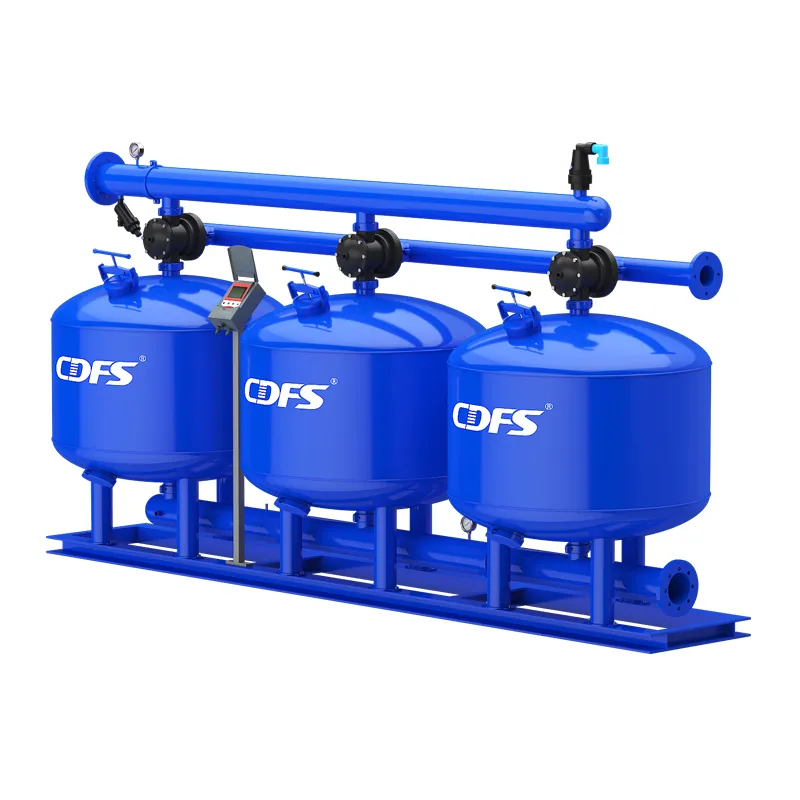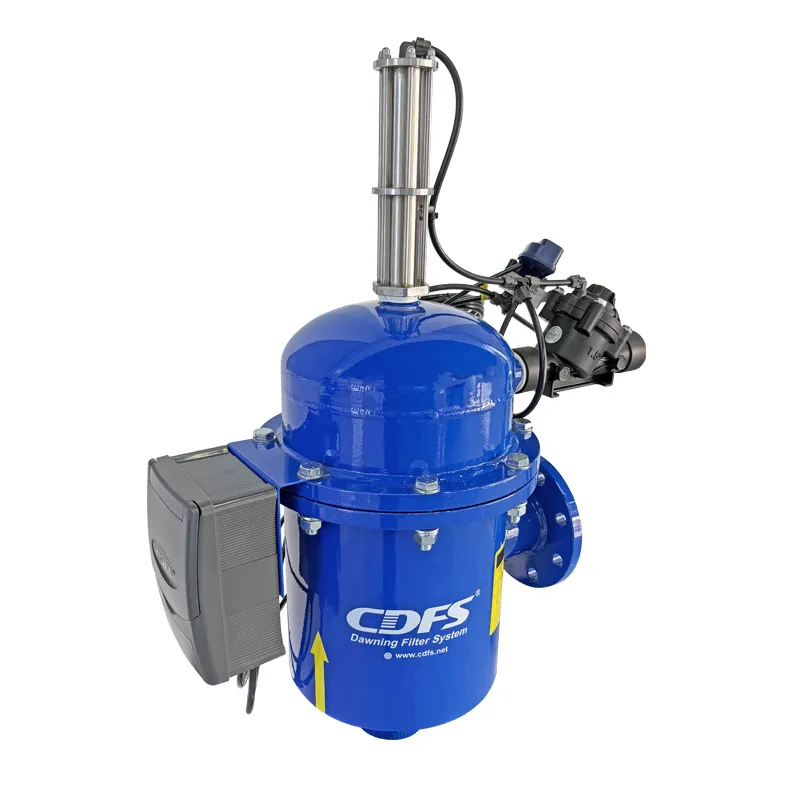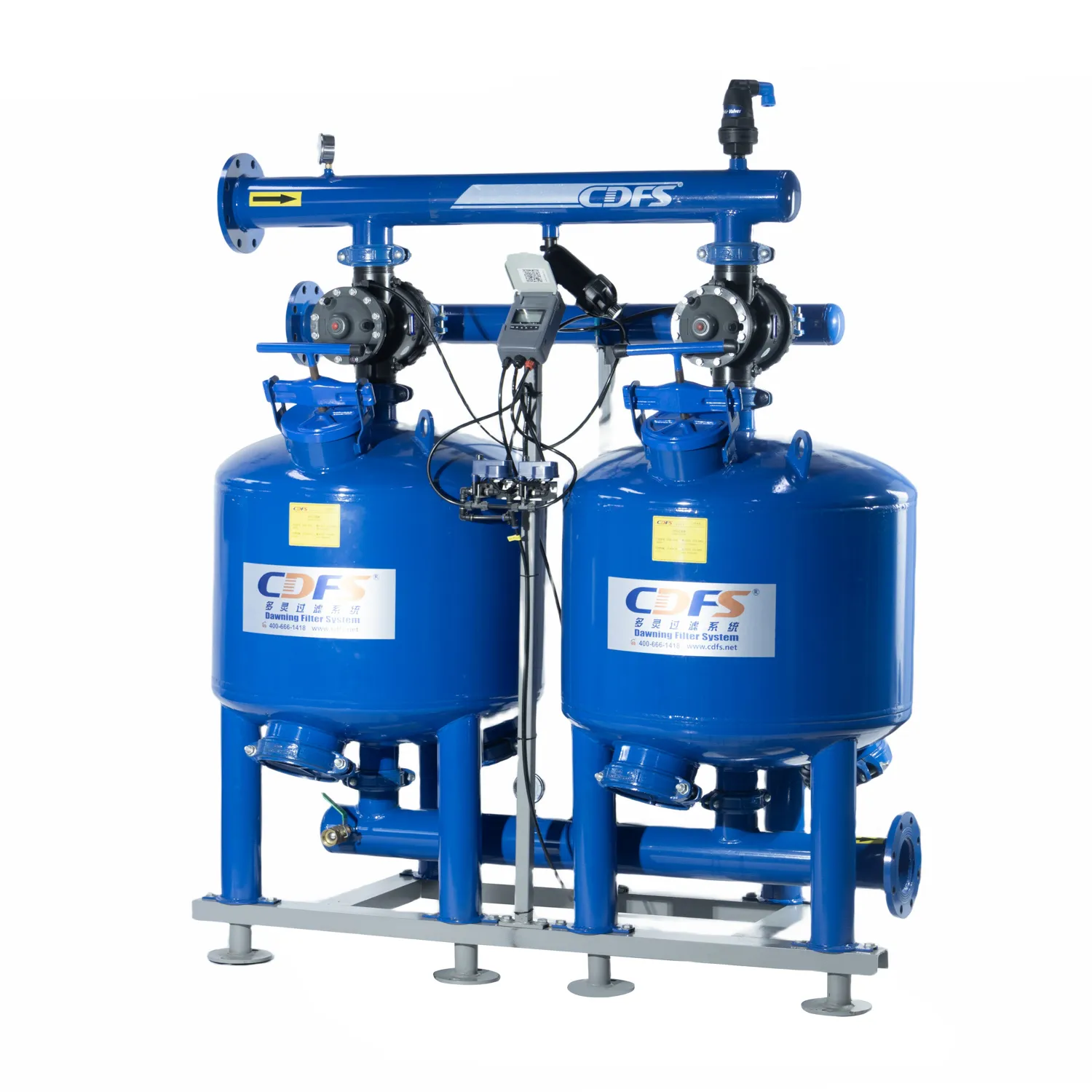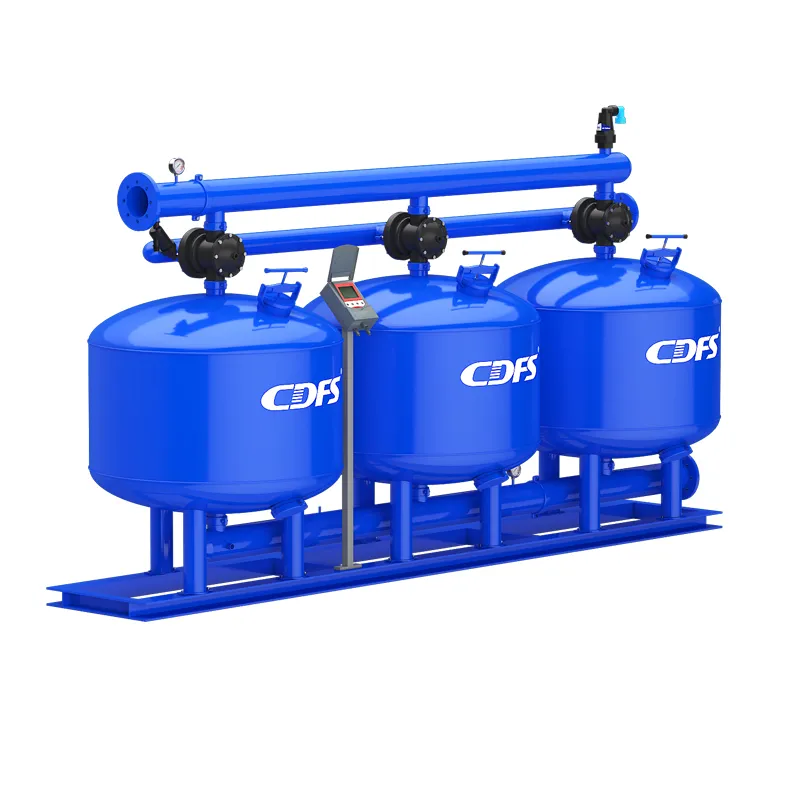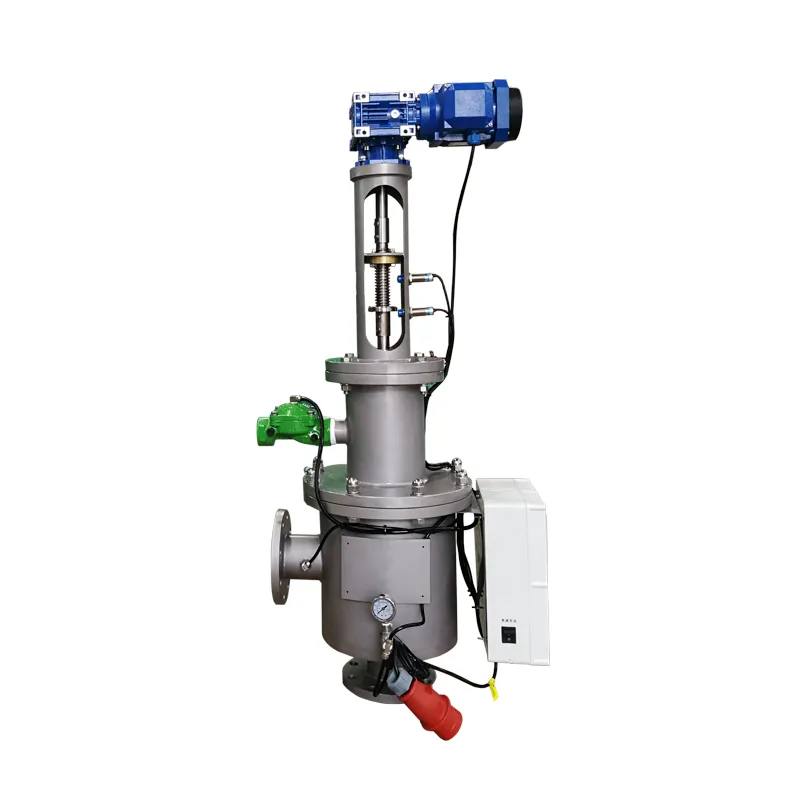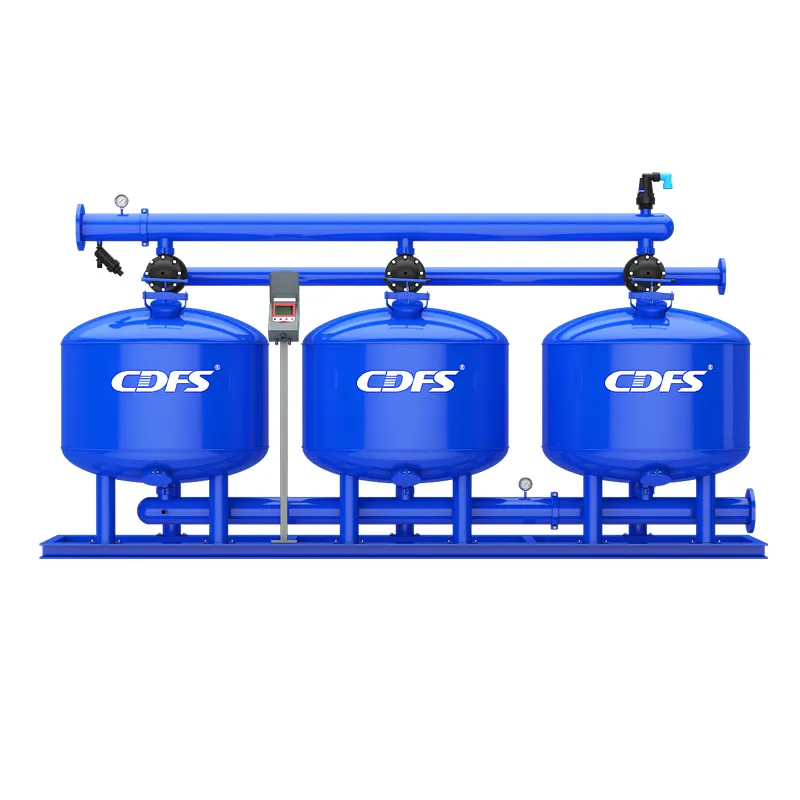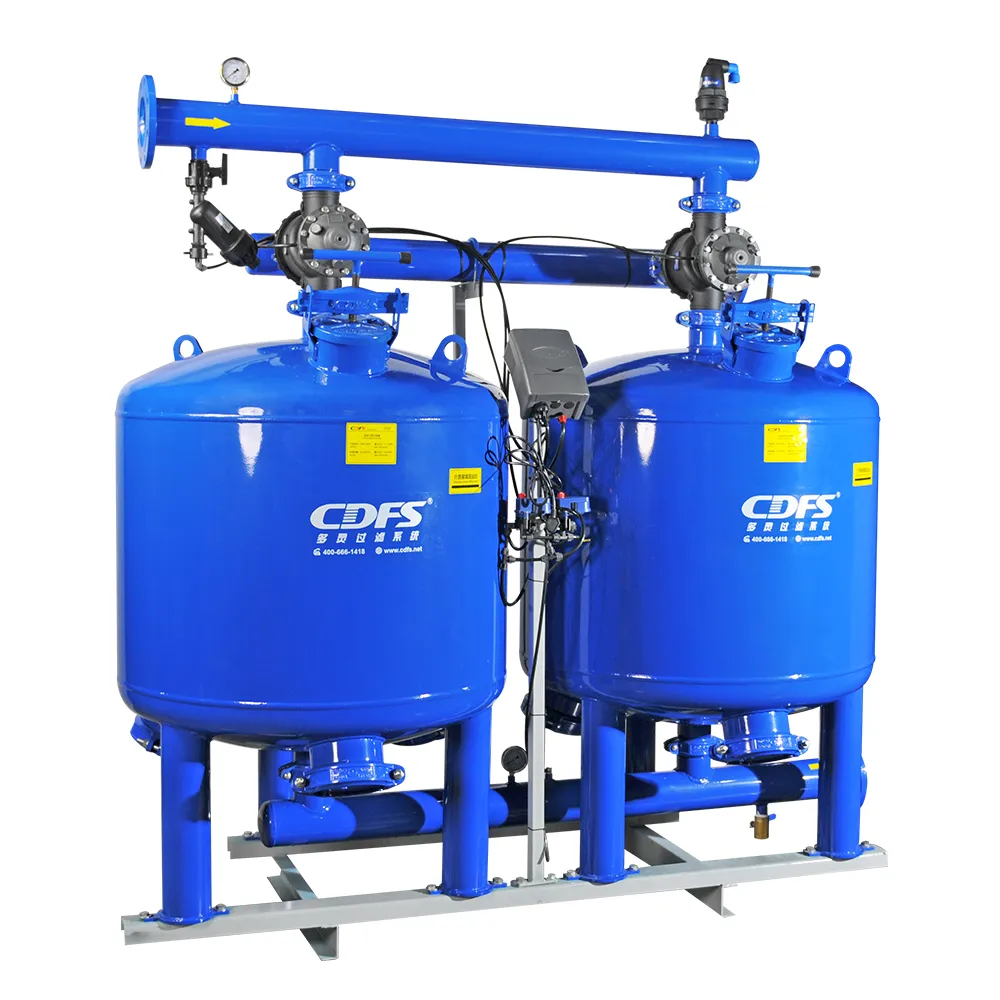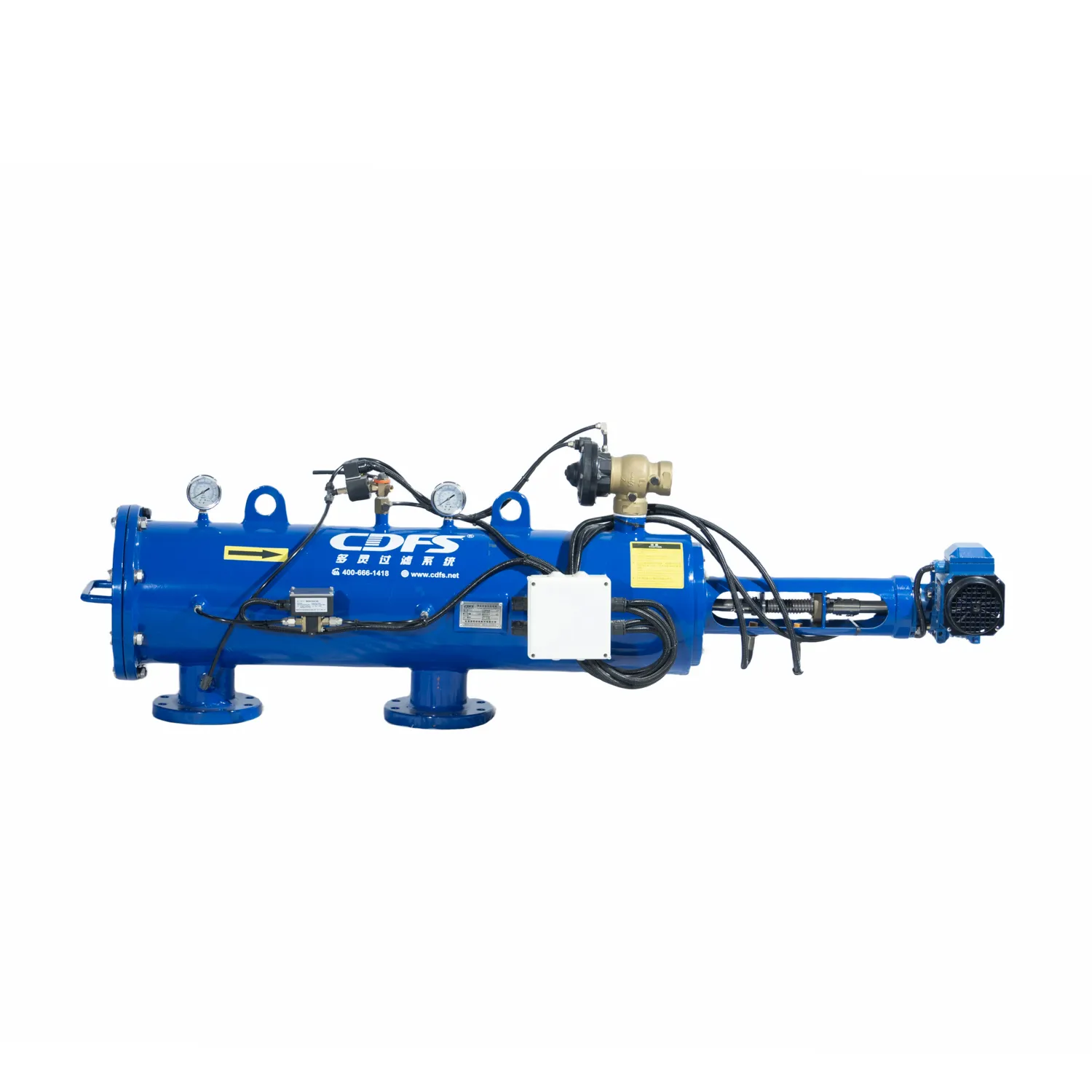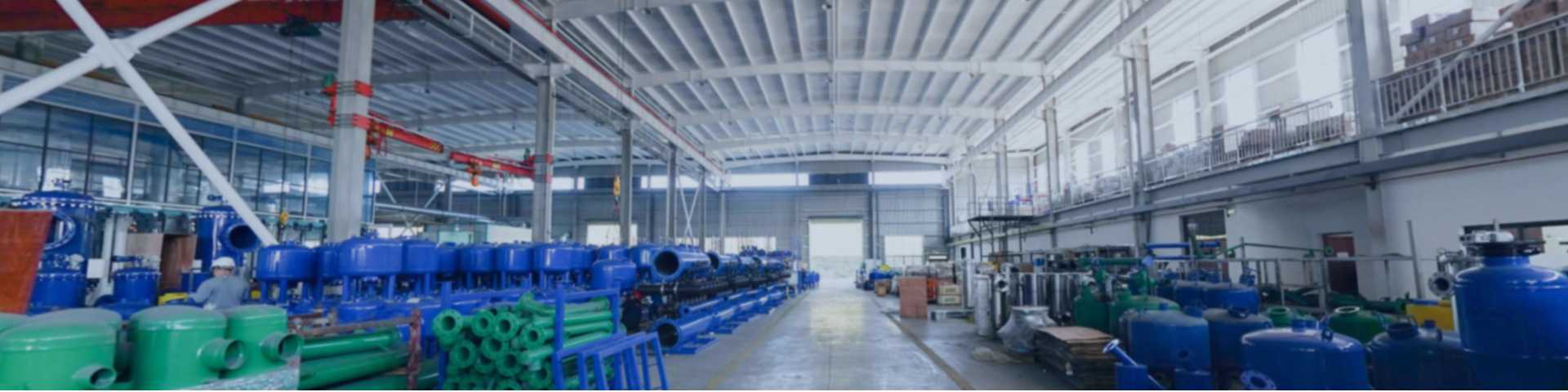
The specialization found in a multi-element filtration system factory allows for customization of automatic screen filters to suit specific client needs. Factories can vary mesh sizes, screen diameters, and motor configurations to match water quality and flow requirements. This adaptability ensures that filters perform efficiently in diverse irrigation setups. Customers benefit from receiving tailored products that enhance water management and crop protection.
The assembly process in a multi-element filtration system factory combines automated robotics with manual inspection to achieve optimal filter performance. After individual components like screen cylinders, motors, and valves are produced, they are carefully assembled and tested for mechanical alignment and responsiveness. The factory’s hybrid approach balances efficiency with accuracy, reducing production errors. This results in automatic screen filters capable of smooth operation and consistent self-cleaning cycles, essential for minimizing maintenance.
Q: How does an Automatic screen filter factory test the durability of its screen filters? A: An Automatic screen filter factory typically conducts high-pressure endurance tests, cyclic cleaning simulations, and long-term flow performance evaluations to verify durability. These tests simulate harsh field conditions to ensure the filter can withstand long-term use without structural failure. Q: What materials are commonly used by an Automatic screen filter factory for screen construction? A: Stainless steel is the most commonly used material by an Automatic screen filter factory due to its corrosion resistance, strength, and longevity. In some cases, polymer or composite materials may also be used for specific water qualities or cost considerations. Q: How does an Automatic screen filter factory support system integration for its filters? A: An Automatic screen filter factory often designs filters with compatibility for various control systems, including PLCs, timers, and pressure differential sensors. This allows easy integration into automated irrigation, industrial processing, or water treatment systems. Q: What quality certifications are expected from a reliable Automatic screen filter factory? A: A reputable Automatic screen filter factory typically complies with international standards like ISO 9001, CE, or NSF certifications. These demonstrate consistent manufacturing processes, safety compliance, and product reliability in global markets. Q: Can an Automatic screen filter factory provide technical guidance during installation? A: Yes, many Automatic screen filter factories offer technical documentation, remote support, or on-site assistance to ensure correct installation. Proper setup is crucial to maximize filtration efficiency and ensure the automatic cleaning system operates as intended.
Very durable and clog-resistant. We installed this filter in our drip irrigation system, and it has been performing flawlessly for several months.
I’m impressed by how well this filter intercepts silt. It has significantly reduced maintenance costs and keeps the water clean without affecting pressure.
To protect the privacy of our buyers, only public service email domains like Gmail, Yahoo, and MSN will be displayed. Additionally, only a limited portion of the inquiry content will be shown.
Interested in a compact screen filter for HVAC application. Does it come with pressure gauges or ala...
We need a filter that precisely intercepts silt and sand to protect our irrigation pumps. What’s y...



 EN
EN
 FR
FR
 NL
NL
 RU
RU
 AR
AR
 VI
VI
 LO
LO
 RO
RO
 TH
TH
 MY
MY
 MS
MS
 PT
PT
 ES
ES
 KO
KO
 BE
BE
 JA
JA
 FIL
FIL
 KA
KA
 DE
DE
 IT
IT