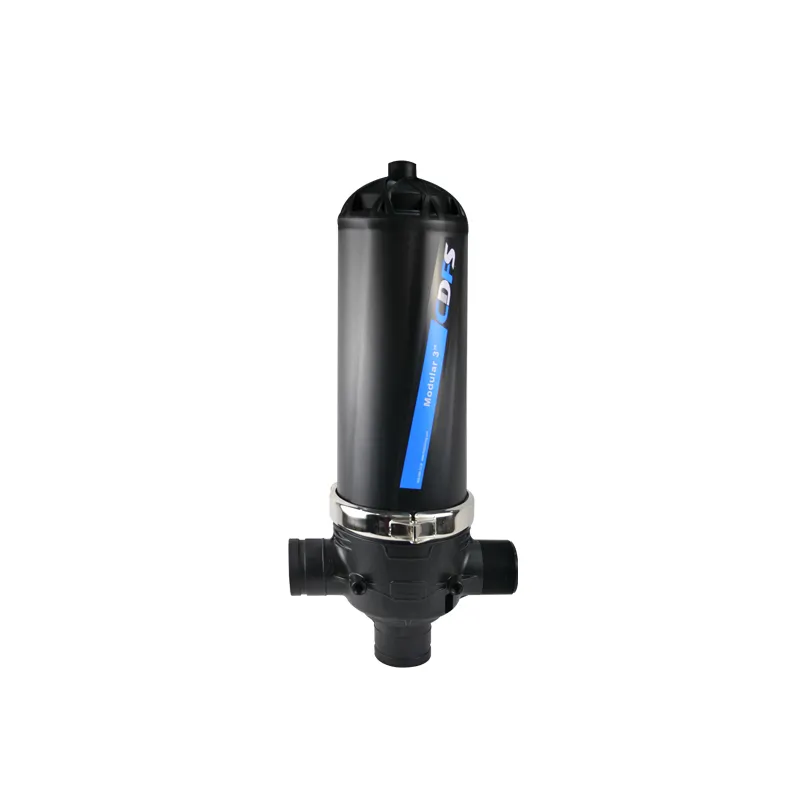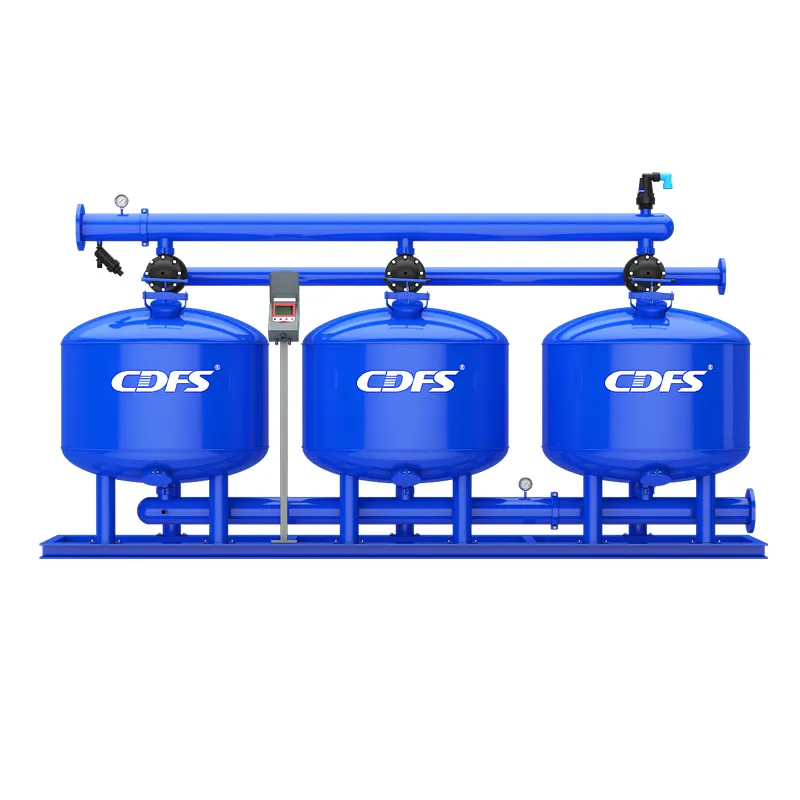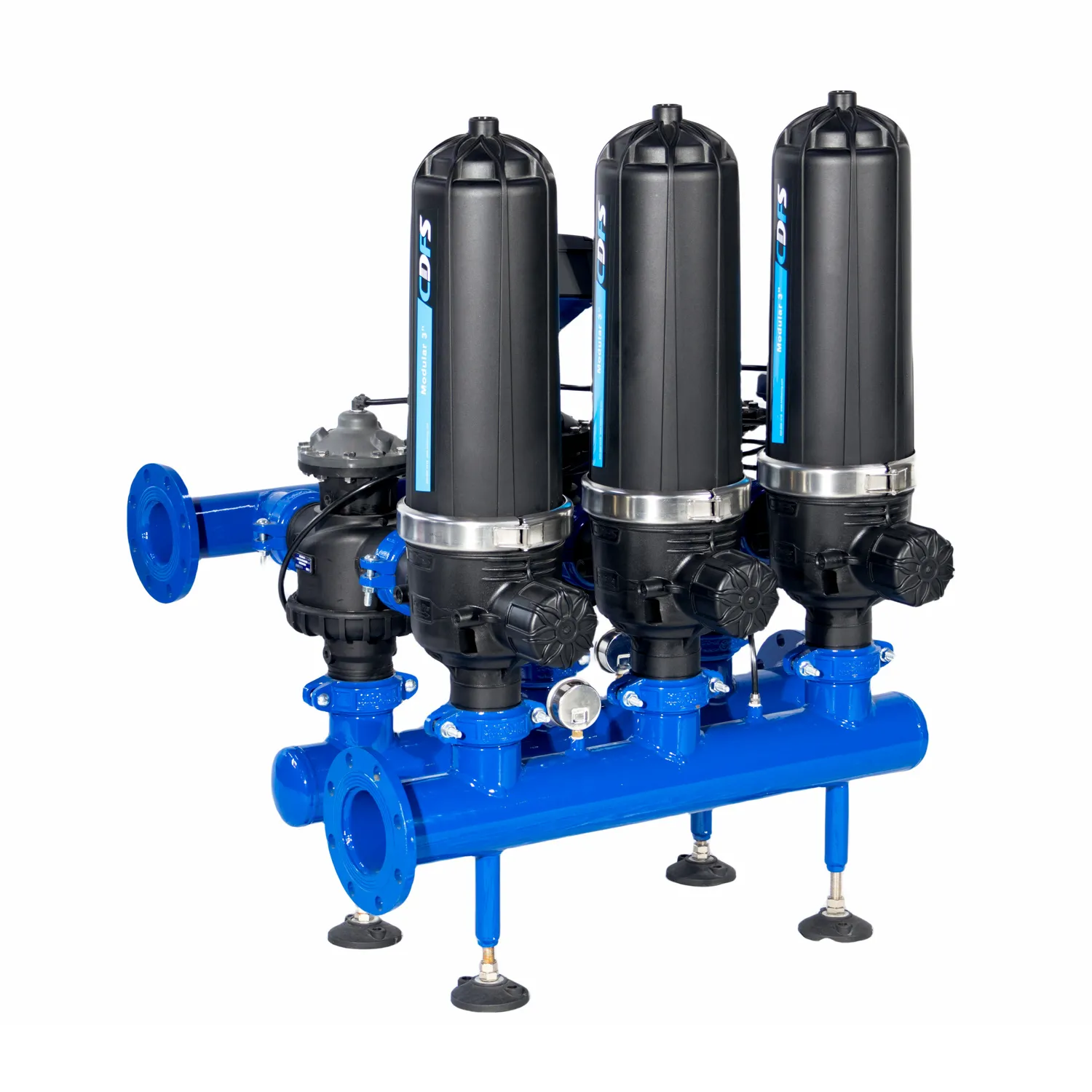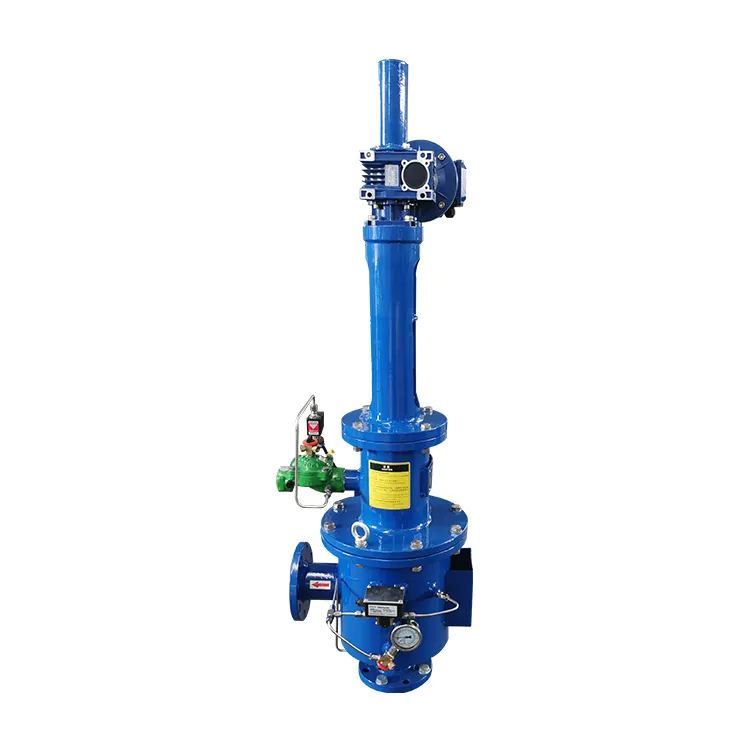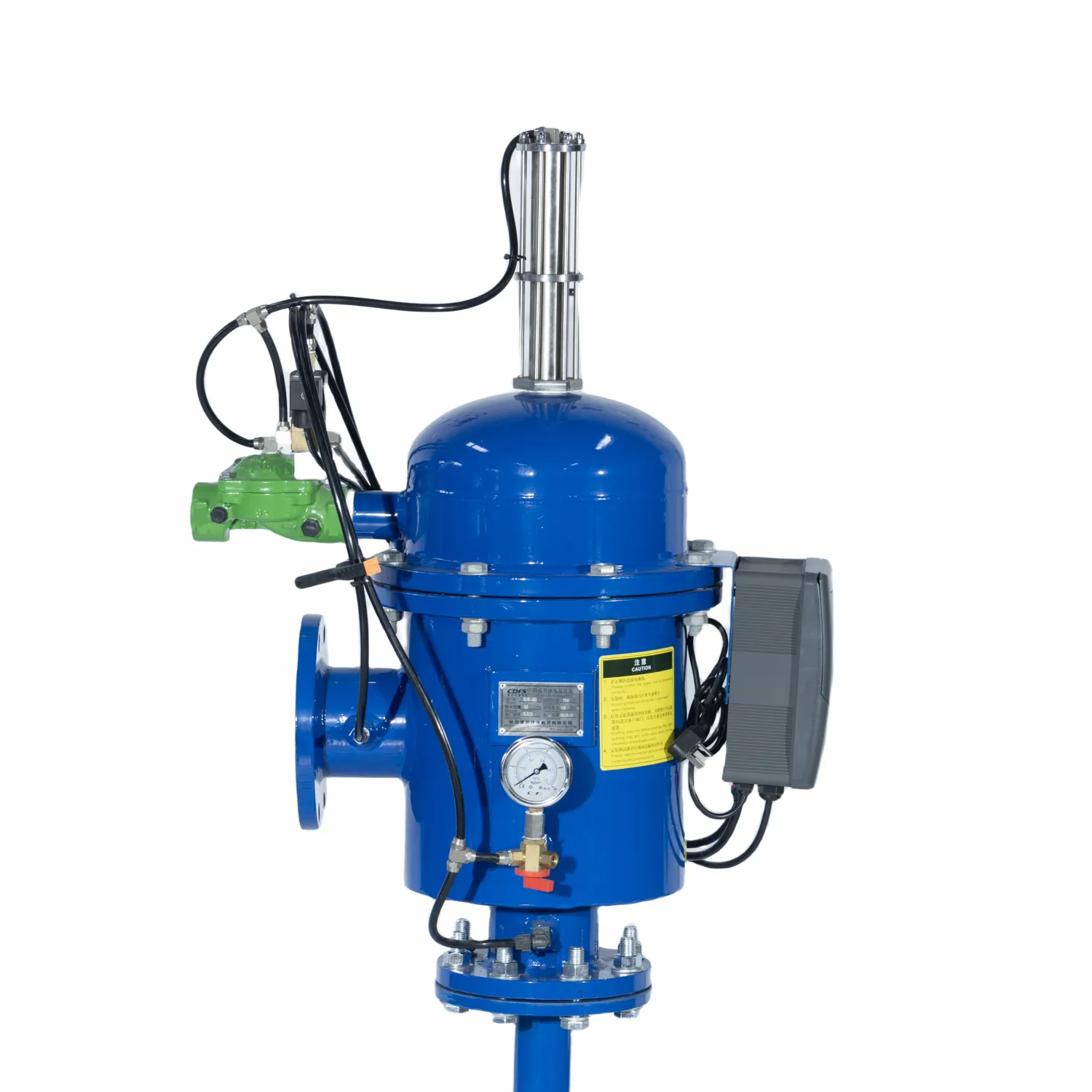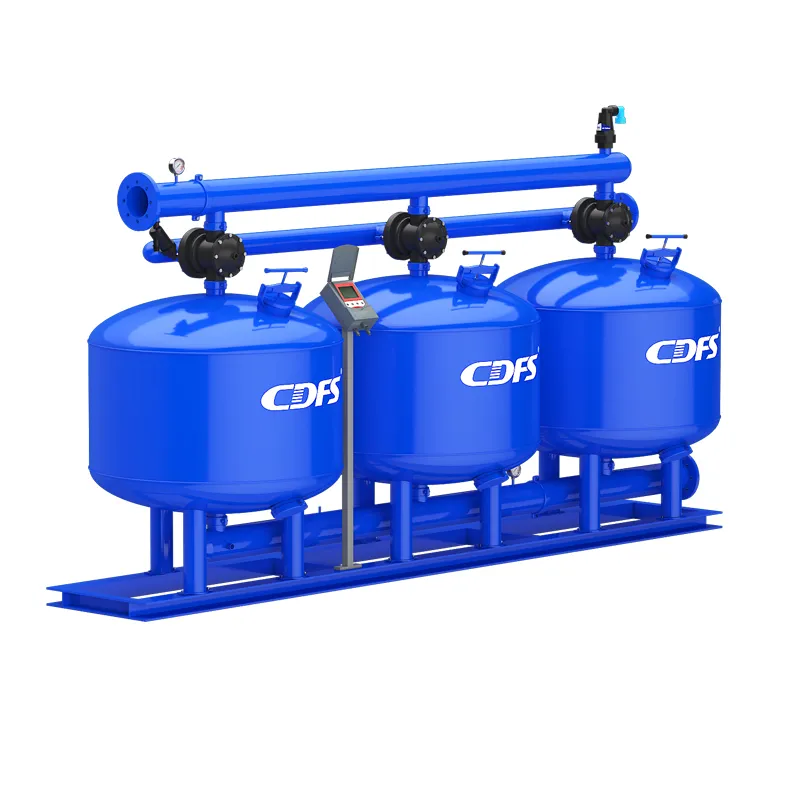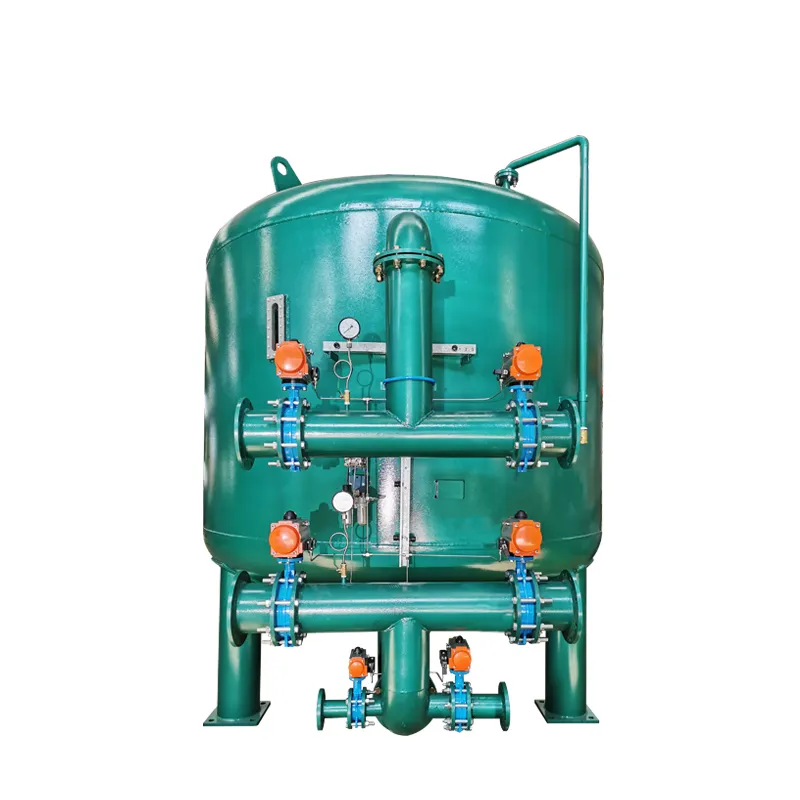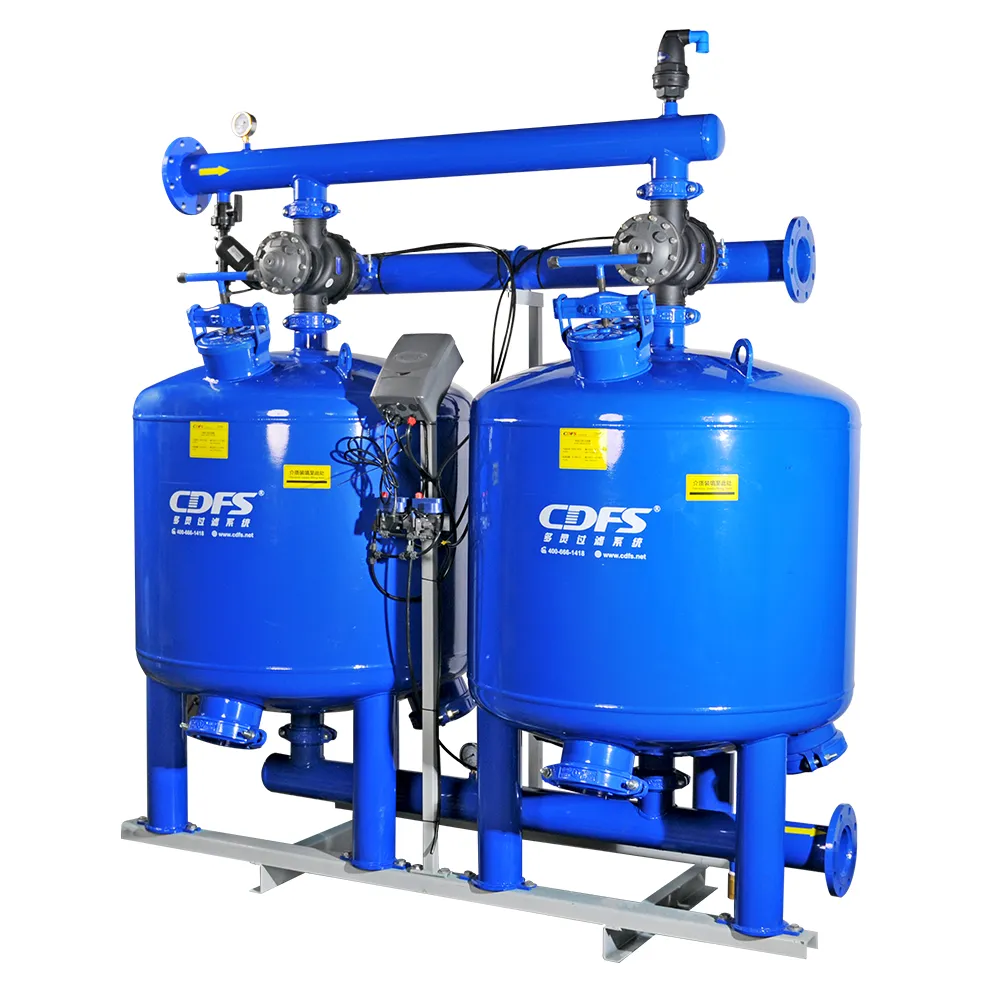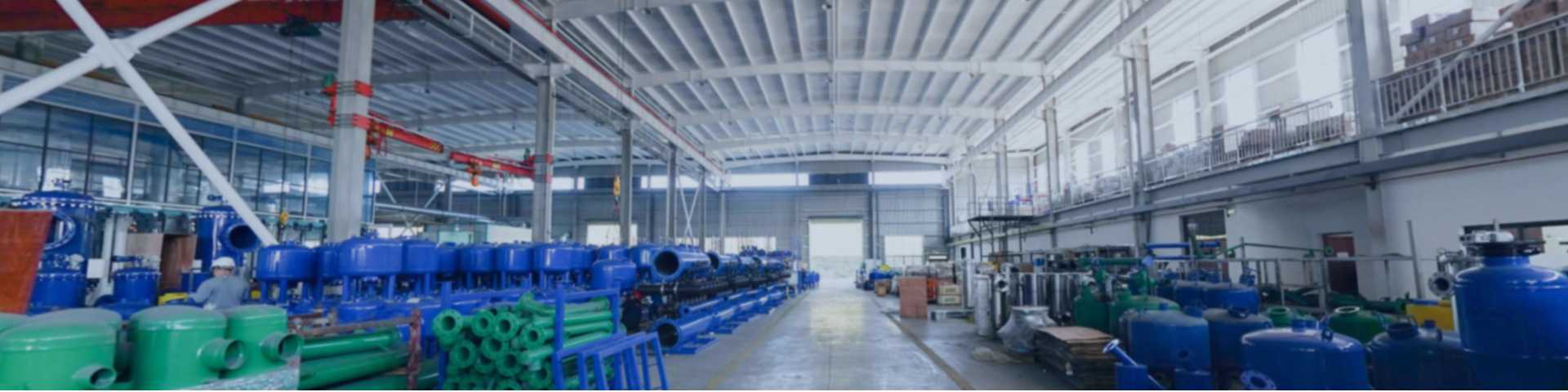
filtration system for irrigation play an important role in drip and micro-irrigation systems where small passageways are particularly susceptible to clogging. Their ability to filter fine particles ensures these systems run smoothly, delivering accurate amounts of water directly to the root zone, which is essential for water efficiency and maximizing crop health.
A key feature of many filtration system for irrigation is their automatic backwash capability, which periodically cleans accumulated debris without interrupting irrigation schedules. This self-cleaning function reduces manual labor and prevents performance degradation caused by clogging. It is particularly beneficial for large-scale farms where continuous irrigation is essential, helping to sustain steady water flow and protect downstream equipment.
Q: What is the difference between automatic and manual irrigation filters? A: Automatic irrigation filters clean themselves through backflushing or mechanical action, requiring minimal operator intervention. Manual versions, on the other hand, must be taken apart and cleaned manually, which may be time-consuming but cost-effective for small systems. Q: How does a disc-type irrigation filter work? A: A disc-type irrigation filter uses a stack of grooved plastic discs that trap particles as water passes through. When clogged, the discs are separated and cleaned, often automatically. This design offers both depth and surface filtration for reliable performance. Q: Can an irrigation filter improve irrigation efficiency? A: Absolutely. A clean irrigation filter ensures that all parts of the irrigation system receive water at the intended pressure and volume. This prevents under-watering or over-watering, improving crop health and optimizing water usage. Q: Are irrigation filters suitable for drip irrigation systems? A: Yes, irrigation filters are essential for drip systems, which are highly sensitive to clogging. Using an appropriate filter ensures clean water reaches the emitters, maintaining uniform distribution and reducing maintenance costs. Q: What materials are used in making irrigation filters? A: Most irrigation filters are made from durable materials like reinforced plastic, stainless steel, or coated metal. The choice depends on water conditions and pressure levels. UV-resistant materials are also used for filters exposed to sunlight.
I’m impressed by how well this filter intercepts silt. It has significantly reduced maintenance costs and keeps the water clean without affecting pressure.
Water flow is consistent even in dusty environments. This filter has proven to be reliable and long-lasting under tough irrigation conditions.
To protect the privacy of our buyers, only public service email domains like Gmail, Yahoo, and MSN will be displayed. Additionally, only a limited portion of the inquiry content will be shown.
Does the automatic disc filter support multi-stage filtration? We need to protect sensitive equipmen...
We want an irrigation filter system that prevents algae buildup and ensures smooth flow in our green...



 EN
EN
 FR
FR
 NL
NL
 RU
RU
 AR
AR
 VI
VI
 LO
LO
 RO
RO
 TH
TH
 MY
MY
 MS
MS
 PT
PT
 ES
ES
 KO
KO
 BE
BE
 JA
JA
 FIL
FIL
 KA
KA
 DE
DE
 IT
IT